The two-minute rule, revisited: how to start habits that actually stick
Most new routines fail on day three, not day one. Shrinking the first step is less about laziness and more about removing the moment you talk yourself out of it.
By Maya Lindqvist, Editor
3 min read
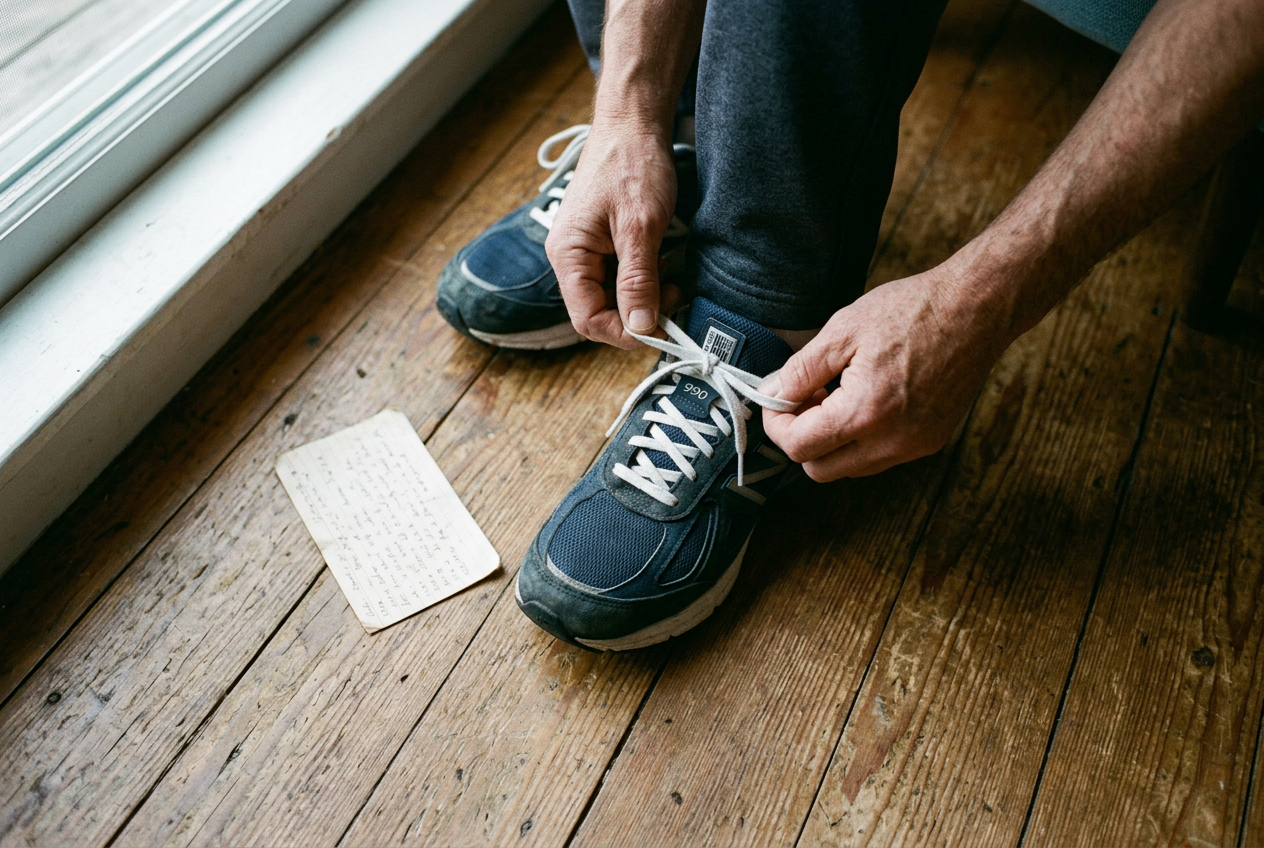
The idea is simple enough to fit on a sticky note: when you want to start a new habit, make the first version take two minutes or less. "Read every night" becomes "read one page." "Go for a run" becomes "put on your running shoes."
It sounds almost too small to matter. That is the point. The hardest part of most routines is not the effort itself, it is the decision to begin. A two-minute version leaves your brain very little to argue with.
Why tiny starts work
When a task feels big, we tend to wait for the right mood, the right time or the right amount of energy. A tiny task does not need any of those. You do it, and more often than not you keep going once you have started.
Even on the days you stop after two minutes, you have still kept the promise. Over a few weeks, that pattern of showing up becomes the habit, and the length of the session can grow on its own.
Where people go wrong
- Making the "small" version secretly large, like "do a quick 30-minute workout."
- Adding three new habits in the same week instead of one.
- Tying the habit to a vague time ("sometime in the evening") instead of an existing routine.
- Treating a missed day as failure rather than a pause.
Attach it to something you already do
New habits stick best when they ride on old ones. After you pour your morning coffee, write one line in a notebook. After you brush your teeth, lay out tomorrow’s clothes. The existing routine becomes the reminder, so you do not have to rely on willpower or an app notification.
“Make it so small you would feel silly skipping it. Then let it grow.”
Give it two weeks before judging whether it is working. Most people find that by then, the tiny version has quietly turned into something more.
We review our guides regularly and correct mistakes promptly. Spotted something? corrections@notestoaction.com. Read our editorial standards.